Alberto Oggero
The Estate
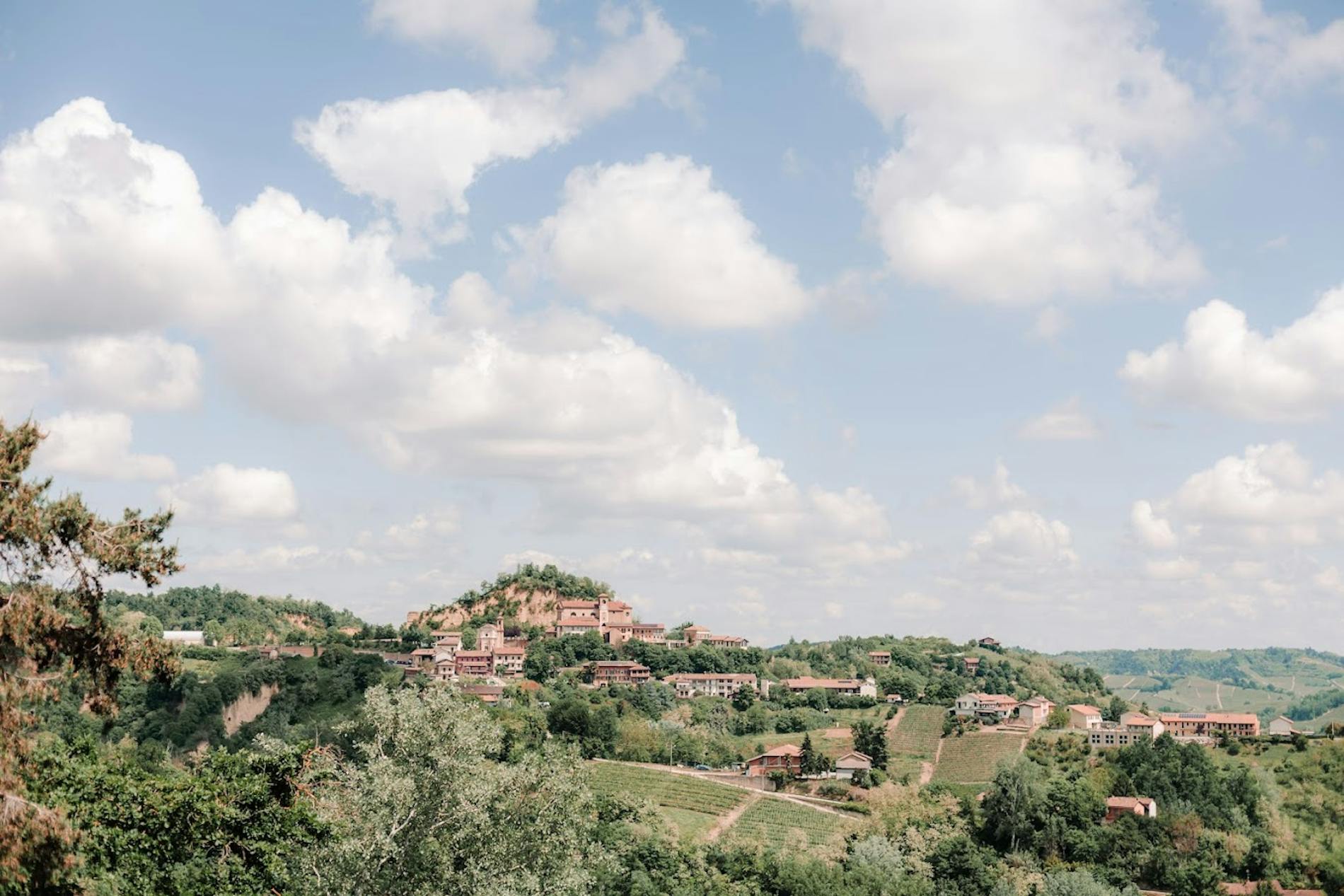
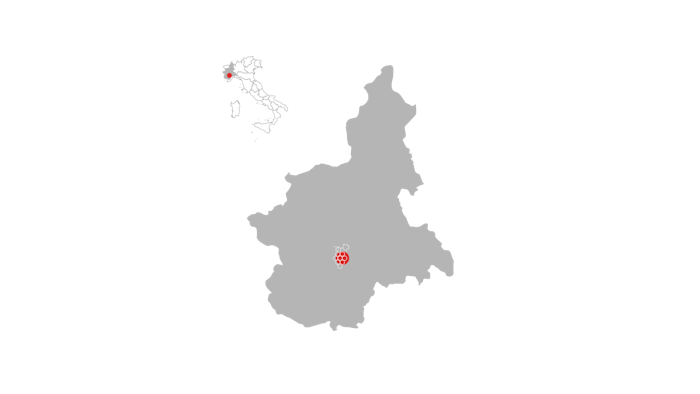
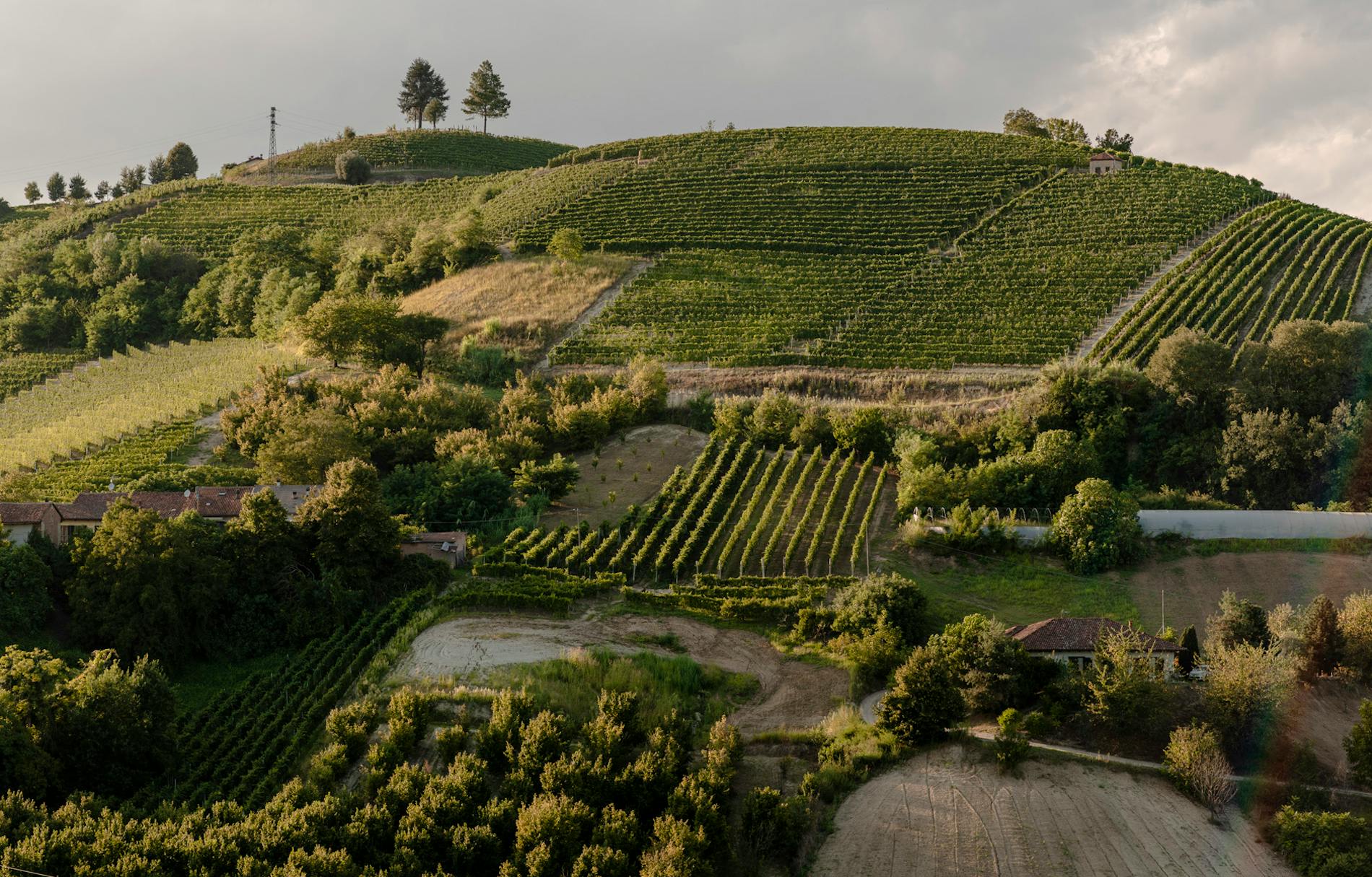
Alberto Oggero is a promising young winemaker, deeply rooted in the Roero area of Piedmont. This is the portion of land located on the left bank of the Tanaro River, between the plain of Carmagnola and the low hills of Asti. As in many other areas of Piedmont, viticulture here has a millennia-old history: vine growing developed well before the arrival of the Romans, dating back to the Ligurians, and continued to expand with ever greater intensity up to the present day.
What strikes about Roero—and what has always fascinated Alberto—is the remarkable variety of landscapes where vineyards coexist with wooded areas and orchards. It is within this “setting” that Alberto decided to plant a new vineyard from scratch, creating his own winery based on a solid principle: the wines had to be as expressive of their territory as possible. With the help of his family and collaborators, Alberto began working the land, focusing on the area’s typical grape varieties, Arneis and Nebbiolo, allowing each to express itself according to its parcel of origin. Today the estate covers just over four hectares of vineyards, yielding a total production of about 16,000 bottles per harvest. His approach is “natural”, both in the vineyard—where the life cycle of the vine is followed without forcing—and in the cellar, where fermentations are strictly spontaneous and every detail is carefully attended to.
The hard work carried out by Alberto has given rise to a range of five wines, from Valle dei Lunghi to Sandro d’Pindeta, including a Roero Rosso Riserva truly worth noting. A collection that surprises with the ability of Arneis to evolve over time, while Nebbiolo is immediately approachable and highly drinkable, overturning the common assumptions about both varieties and showcasing Alberto’s determination to surprise.

The Wine
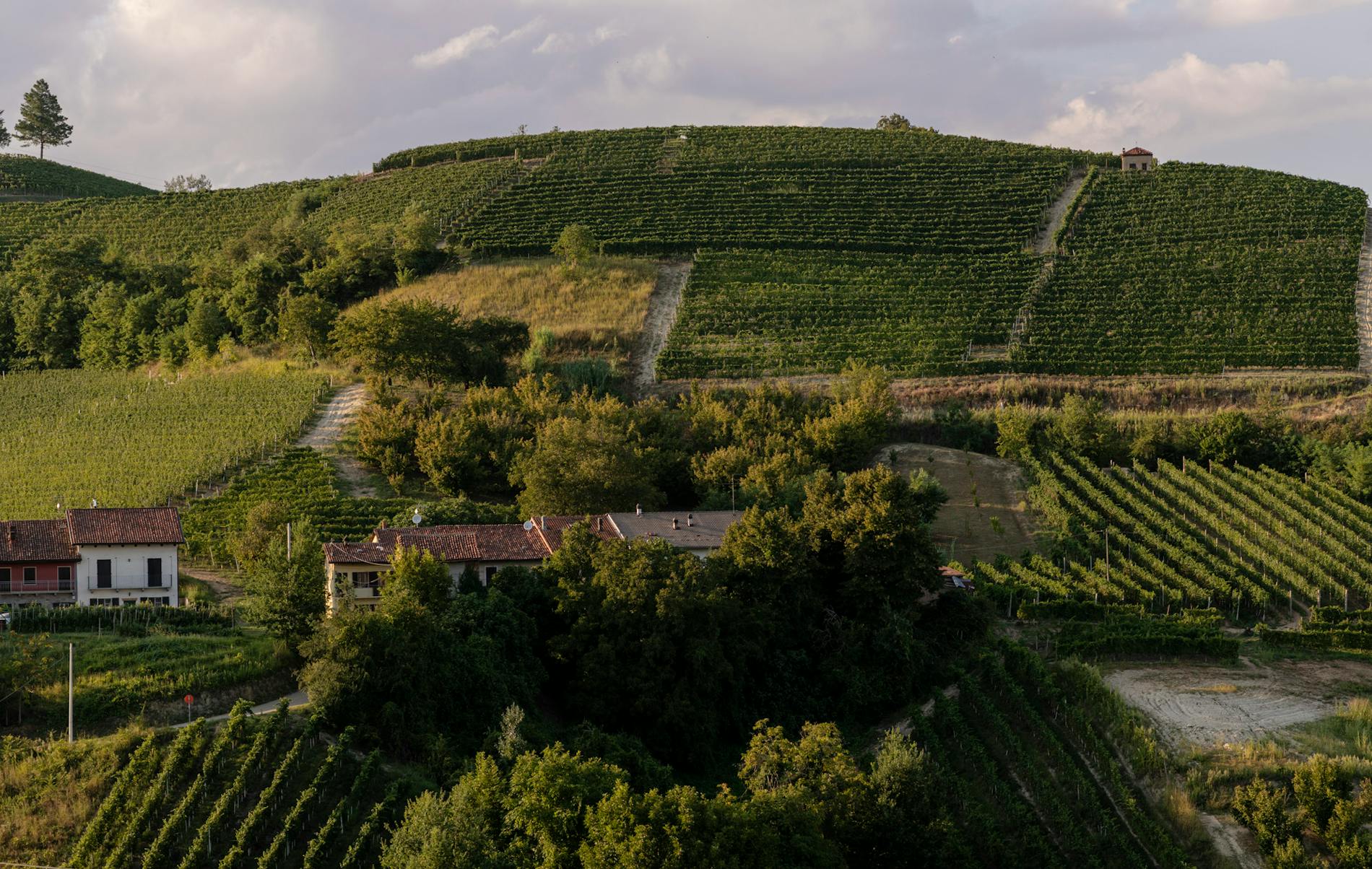
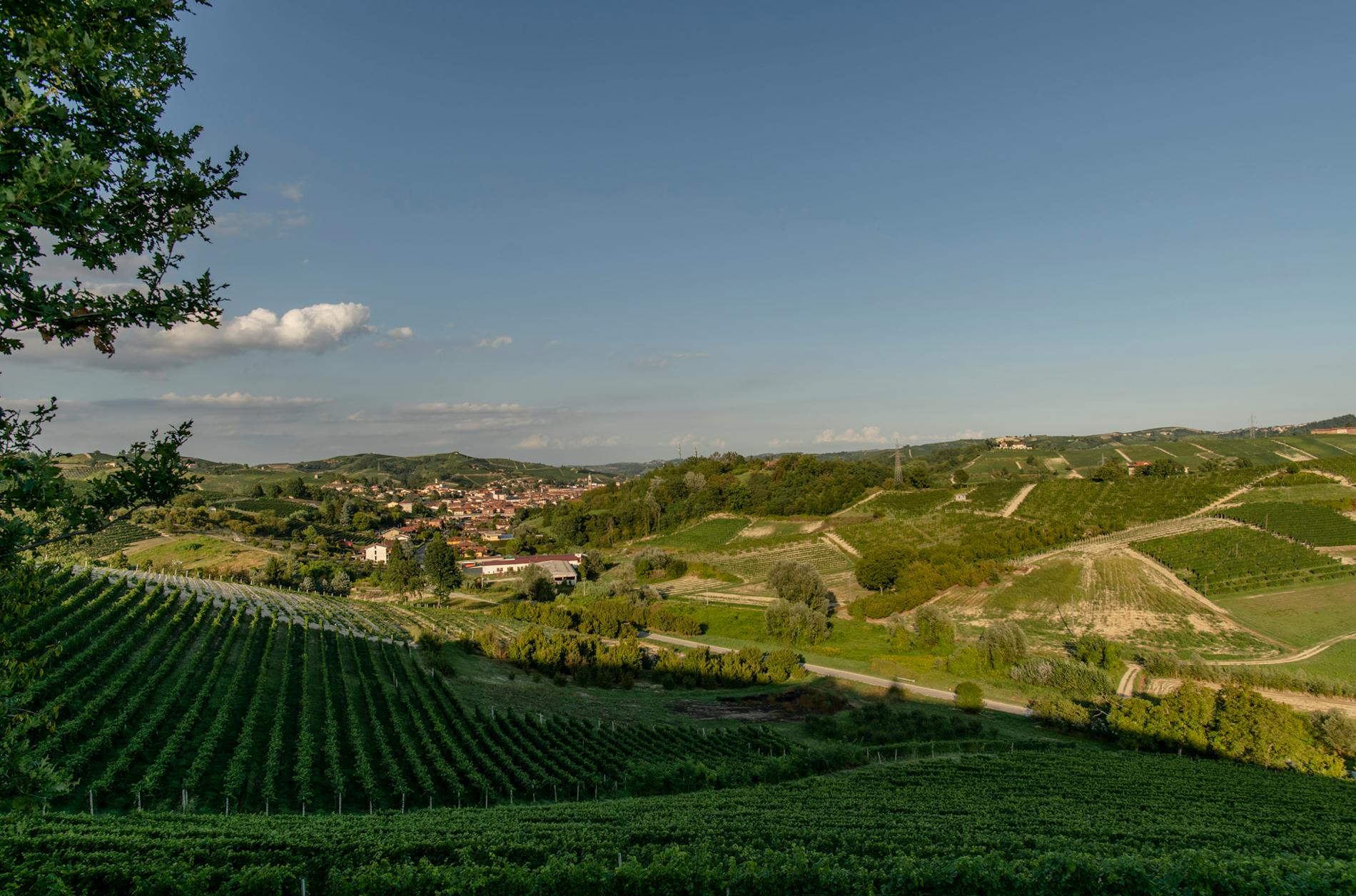


Arneis and Nebbiolo are the two key grape varieties defining Roero.
Arneis, cultivated in the area since at least the 15th century, was historically valued for its quality and often vinified as a sweet wine. After a period of decline in the 20th century, it was revived in the 1970s and is now mainly produced in a dry style. It has an early vegetative cycle, ripening by mid-September, and expresses freshness and a strong link to its territory.
Nebbiolo, documented as early as the 13th century, is Piedmont’s most prestigious red grape. It has a long growing cycle, with harvest often in late October, and is typically planted on well-exposed hillsides, producing structured and complex wines.
Together, Arneis and Nebbiolo embody the identity of Roero.